

Yankee4Life
-
Posts
21650 -
Joined
-
Days Won
82
Content Type
Profiles
Forums
Downloads
Everything posted by Yankee4Life
-
Oh yeah? I didn't know that. That's good. I hope he accepts it.
-
Well yes you are right but they're dumping the wrong salarys. Cessa was having a good year. I am all for getting rid of crap like Stanton and even Judge. You got to start there.
-
Ok, I can't figure this one out. The Yankees sent left-hander Justin Wilson and right-hander Luis Cessa to the Reds in exchange for a player to be named later. Why Cessa? He's been doing well. His ERA is 2.82 so obviously that's too good for a Yankee so he had to go. Wilson has a 7.50 ERA so I am kind of shocked here why the Yankees didn't hold on to quality talent like this.
-
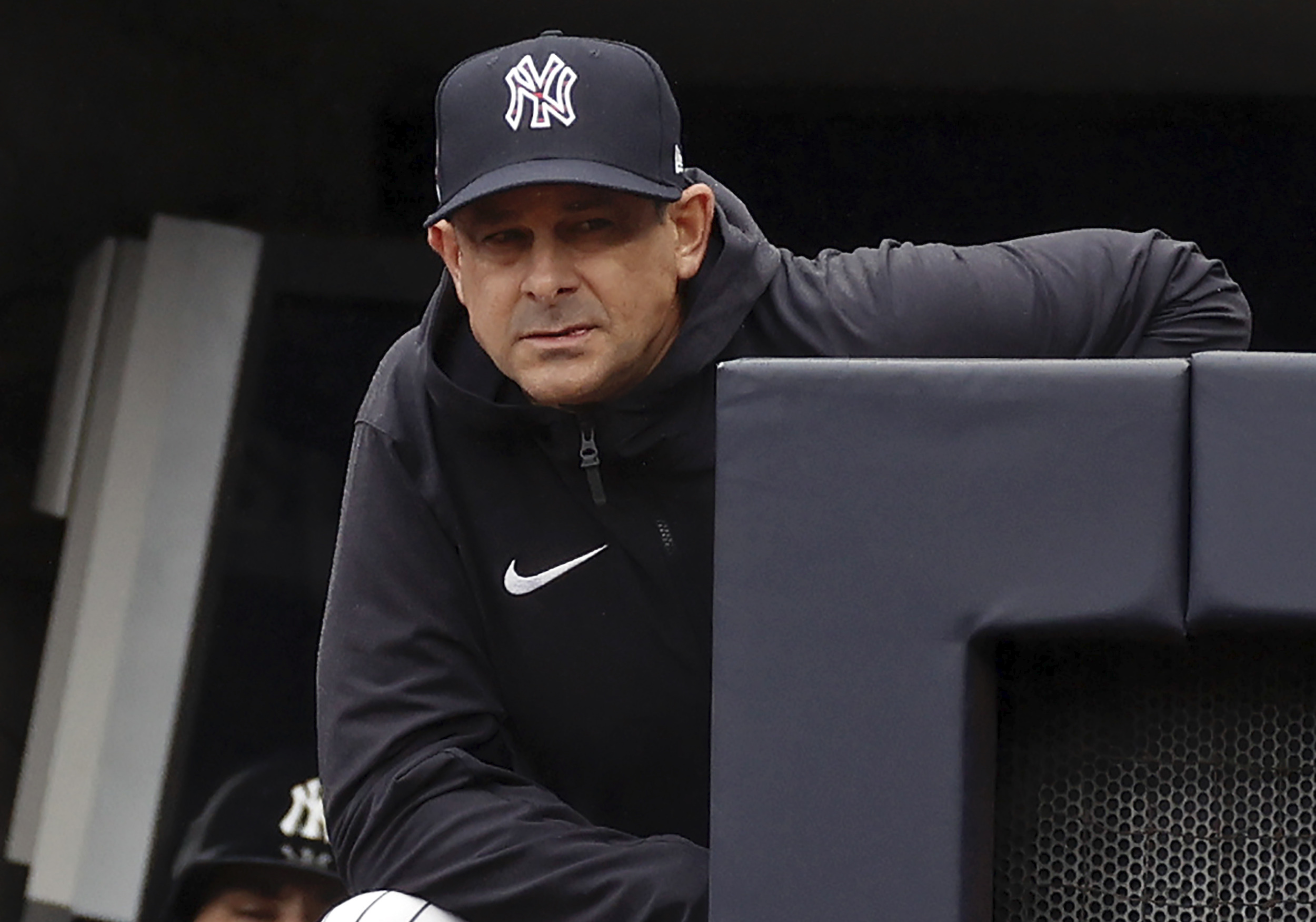
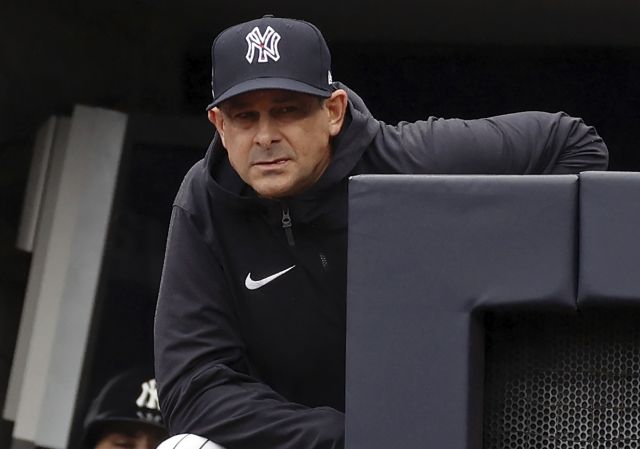
And now presenting a new feature called Intelligent Quotes by Aaron Boone. “We understand we’re at the point of the season where we’re a little behind the eight-ball. It’s all about winning.” Intelligent and insightful. It fills you with confidence that he is the manager of your favorite baseball team.
-
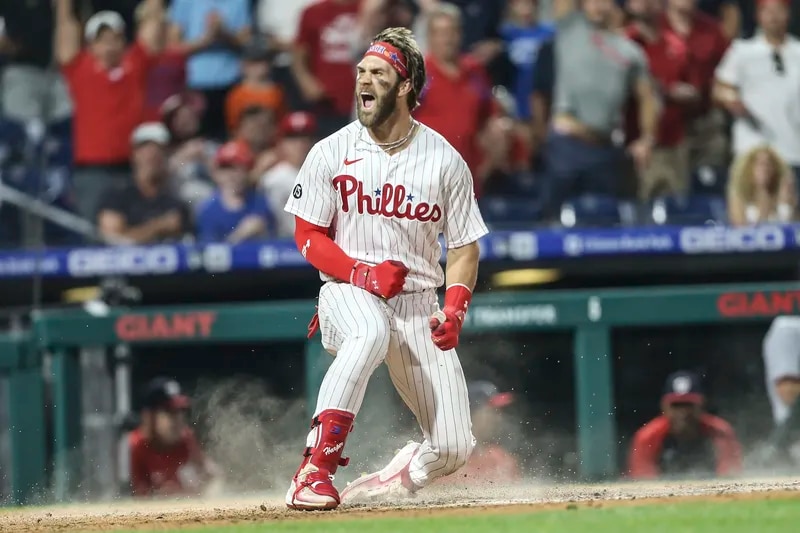
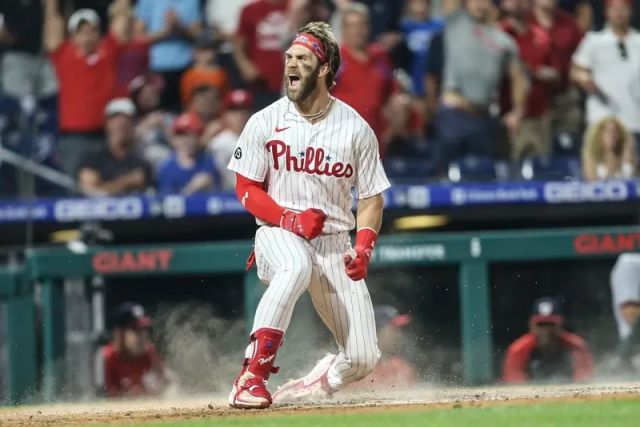
Bryce hit. Bryce run. Bryce hit home run. Bryce happy. Bryce team lose. Bryce still happy. Phillies Bryce Harper celebrates his inside-the-park homer against the Nationals during the fifth inning at Citizens Bank Park in Philadelphia, Tuesday, July 27, 2021. Truthfully he did a good job. If it were a Yankee trying for the inside-the-parker they'd have tripped rounding third base.
-
Now THAT is funny!
-
Why the hell not? Besides these lousy players someone has to be held accountable.
-
WHO THE HELL IS THIS GUY??? DAMN IT ALL. I never heard of him. He's having a horse**** year so of course Cashman grabs him. The Pirates said sure, just give us two of your prospects. Cashman yes, why not? And now we get another useless piece of crap.
-
Really? I thought that you were a Ranger fan. I was congratulating one of them. But go ahead and be like that.
-
Thank you Isiah Kiner-Falefa for getting a hit in the 9th inning to break up the Astros no-hitter.
-
Maybe Harper stole third and then on other at-bats stole more bases? I don't know because I didn't watch this game.
-
After last night's loss you got to say to yourself that the Yankees have to be sellers and I hope so. Problems on this team can not be fixed with a trade or two.
-
I didn’t post anything either because I don’t care anymore. This team has pushed me too far with the way they seem not to give a damn how they play. Oh they talk a good game I’ll give you that but that is as far as they go. They have no backbone whatsoever, they have a glass jaw and they quit before the game has started. This team is pathetic and here we are nearing the end of July and the same thing said about them in April can be said right now on July 23rd. Back in April you could have called a fluke or a slump but now in July you can call it a pattern or a habit. In other words they are a terrible team full of millionaires and so-called superstars who should by any reason be playing better but for some reason they don’t. All they seem to do well together is get hurt. Don’t bother posting good or bad opinions in here because it does no good. Wait, forget that. What am I saying? If you have something good or bad to post about these worthless pinstriped son of a %^#@*& ballplayers then do it. If the Phillies can be whined about practically every day then you should be allowed to yell at them too and with the way they choked last night I think you really restrained yourself. I was going to post something this morning about the loss but I said why bother? I’m sorry that this year is not a good one for the team but I kind of knew this was going to happen after watching them go hot and cold during the short 2020 season. When they were hot they were red hot and when they weren’t they did nothing right and all they did was continue that kind of play into this year. The hell with them. I’m just so disappointed.
-
Pl;ease make your posts in English in here and this thread is for the Mvp '05 player ID list and your cyberface work does not need to be posted in here. It's the wrong thread for that.
-
Hal Trosky Hal Trosky played first base for the Cleveland Indians and the Chicago White Sox in the 1930s and 1940s. His career reached its apex in 1936, when he led the American League in runs batted in with 162, yet he has largely been consigned to historical obscurity. This anonymity is not only due to the reality that his career overlapped a triumvirate of Jimmie Foxx, Hank Greenberg, and Lou Gehrig, a triumvirate of future Hall of Fame first basemen who held a virtual lock on the position on the American League All Star teams of the mid-’30s, but also because, at what should have been the peak of his career, Trosky was sidelined with two years of severe migraine headaches, pain so debilitating that he became unable to take the field for days in a row. In 1934, Trosky’s first full year in the major leagues, he was little short of spectacular. He played every inning of all 154 games, hit .330 with 35 home runs, drove in 142 runs, and posted a slugging percentage of .598. He finished seventh in balloting for American League Most Valuable Player. (Triple Crown winner Lou Gehrig could muster no better than fifth place as the award went to Mickey Cochrane, catcher-manager of the pennant-winning Detroit Tigers.) The 1935 season proved to be something of a sophomore slump for Trosky, marked by an almost 60-point drop in batting average and a commensurate drop in home runs, from 35 to 26. When mired in a September slump that year, a stretch in which he had exactly one hit in 40 at-bats, coach Steve O’Neill, his former manager at Toledo, suggested that Trosky try hitting from the right side against the Senators. The next day, in the opener of a doubleheader in Washington, Hal came up in the first inning and took a right-handed stance. He stunned his teammates by smoking an Orlin Rogers curve for a single. After a left-handed out in the fifth, he hit from the right side again in the eighth inning and knocked a Leon Pettit pitch into the distant reaches of Griffith Stadium’s left-field bleachers for his 23rd home run of the year. Overall in the two games, Trosky punched five hits in ten at-bats. Three singles and a home run came from the right side, and one long double from the left. It proved to be the last time he would try switch-hitting. The 1934 model Hal Trosky returned for the ’36 campaign. Trosky put together a 28-game hitting streak and broke his own team record for home runs in a single season when he hit number 36 against the Senators. Although the AL pennant went to the Yankees, it was a memorable season for Trosky, as he led the league in RBIs (162) and total bases (405). His RBI total over his first three seasons was greater than the totals amassed by Gehrig, Foxx, or Greenberg over their first three years. The years from 1937 to 1939 were relatively stable for both player and team. Rather than succumb to the hyperbole and inflated expectations that followed his 1936 season, Trosky chose to focus on improving his fielding. After achieving the rather dubious distinction of leading American League first basemen in errors in 1934 and 1936, he worked diligently to improve his footwork around the base. Along with the subsequent decline in errors, he sought a better approach at the plate, and elevated his batting average to .334 in 1938 and .335 in 1939. Naturally his home-run totals declined, but he found that he could still drive in more than 100 runs per season by putting a higher percentage of balls into play. Trosky and the Indians continued to win, but were competing with a Yankee juggernaut that dwarfed the rest of the league. By 1939 the Indians had named Hal team captain. Trosky agreed not only for the extra $500 stipend, but because he felt that he could serve as a buffer between some of the less experienced players and their acerbic manager, Oscar Vitt. In midseason Trosky lifted himself from the lineup and let understudy Oscar Grimes play a few games at first. Trosky never admitted it to the team, but there were times when his head absolutely throbbed. The season ended with Trosky recording only 448 at-bats, the first season since his 1933 overture that he appeared in fewer than 150 games. It was becoming difficult for him to bring the necessary intensity to the park each day. He was only 26 years old when the season ended, but the pain from the headaches sapped his vigor. On August 11, 1940, in St. Louis, Trosky became the 17th major-league player to clout 200 home runs. He finished the season batting.295. His 93 RBIs marked his first full major-league season in which he failed to drive in at least 100 runs. He hit 39 doubles and a team-leading 25 home runs. The headaches hit hard again in August and September, but Hal loathed missing any game in the tight pennant race. The Indians finished second, one game behind Detroit. Trosky’s migraines proved too much for him in 1941. They were striking with no notice and leaving a wake of debilitating agony. For a hitter who made a living off fastballs, he was powerless against a blurry white apparition that he said sometimes looked “like a bunch of white feathers.” He played less and less. The migraines were now almost unbearable. On August 11 Cleveland began a seven-game road trip without their slugger. Trosky was left home with Oscar Grimes assuming first-base duties. The Indians finished in a tie for fourth place with the Tigers as Trosky drove in only 51 runs in 310 at-bats. In February 1942 he told reporter Gayle Hayes that he wouldn’t be playing baseball that year. It was, he was quoted, “for the best interest of the Cleveland club and for myself that I stay out of baseball. … I have visited various doctors in the larger cities in the United States and they have not helped me. If, after resting this year, I find that I am better, perhaps I’ll try to be reinstated. If I don’t get better, then my major-league career is over.” Trosky passed 1942 and 1943 on his farm in Iowa. He devoured news of the war, farmed, and despite some interest from the Yankees, waited for a call from the draft board. He was evidently a decent farmer, averaging production of over 90 bushels of corn per acre in a time before the advent of modern farming technology. But he wanted to contribute on the front lines. Trosky worked out for the White Sox and in November the Indians, perhaps willing to remove a piece of the Crybabies incident and aware that he was not the offensive force he had been earlier, sold his contract to Chicago for $45,000. As if an echo of Cleveland’s judgment, the Army officially declared Hal Trosky 4-F, unsuitable for military service, in March 1944, due entirely to his history of migraines. Despite a treatment protocol of vitamin shots, the Army wasn’t willing to take a chance on a compromised recruit. Migraines notwithstanding, Trosky managed ten home runs in 1944, which was enough to lead his team in that category. Including his 1944 season, Hal led his teams seven times in home runs. According to the SABR Home Run Encyclopedia, Trosky homered in nine different parks and off 112 different pitchers during his career; his most frequent victims were Tommy Bridges and Bump Hadley. Of his 228 home runs, 106 were hit on the road, and 122 at home. No one but Earl Averill hit more at Cleveland’s League Park. Trosky had a career .302 batting average, with a high of .343 in 1936. He hit 228 career home runs and had 1,012 RBIs. He had 1,561 career hits. His 216 HRs with the Indians ranks him fifth on the team's all-time list.
-
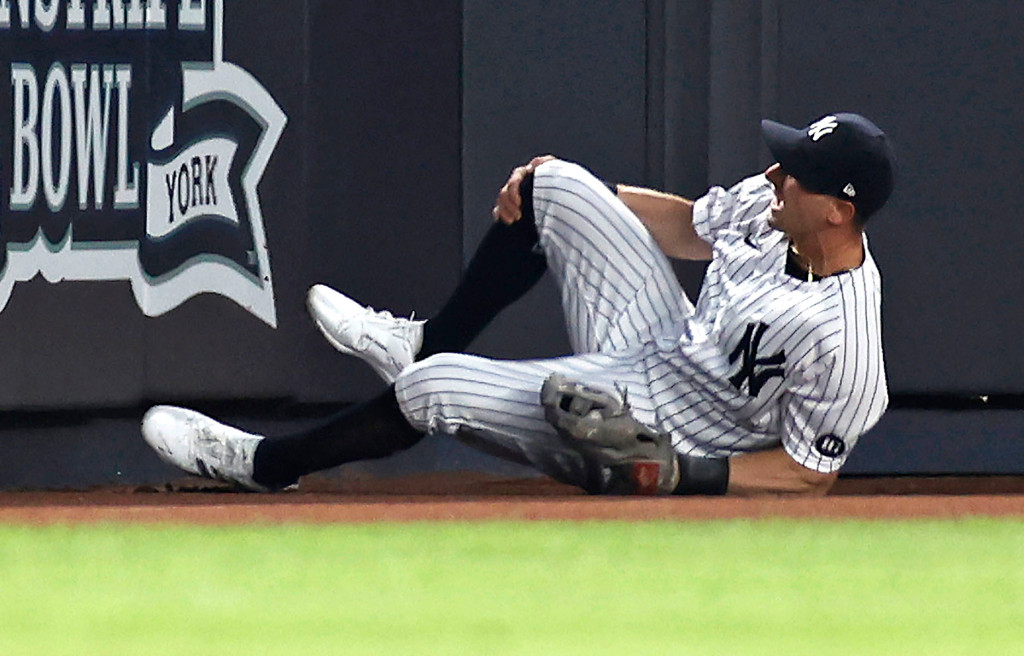
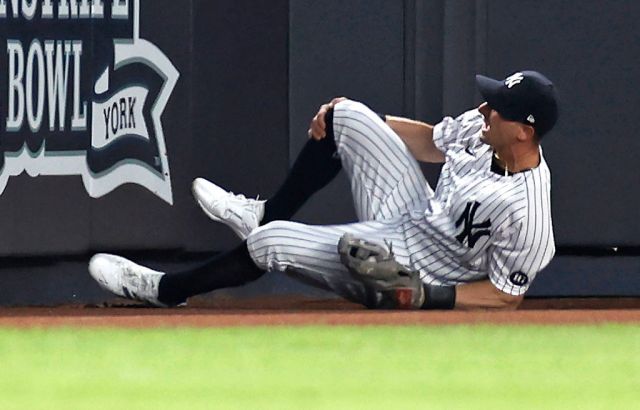
Tim Locastro doesn't get hurt with Arizona but as soon as he gets to the Yankees he tears his ACL and surprise, surprise his season is over. It's almost like when you are a Yankee you have to get hurt. He hasn't been on the team long but this is what I think will symbolize the final nail in the coffin for these worthless bunch of so-called ballplayers. I don't give a damn if they sell or trade the whole lot of them. There you go Tim Locastro!!! Now you're a real Yankee!
-
Yeah, the Philadelphia people must have took to the road last night. Kind of odd for them to do so since the Phils were playing at home. One guy goes to the Bronx to pick off that SOB Verdugo and a few traveled down to D.C. to have an old fashioned shoot out. Now I am not sure if the people involved were from the city of Brotherly Love but like you said it must be someone from Philly. Here is where we separate. I have been and always will be a fan of the Oakland Raiders, so I know what losing seasons are like.
-
Maybe not. Those rotten &^*&^( deserve a good beat down.
-
 Is this your tool? If so, thank you. If not, do you have permission from the person who made this to upload it here?
 -
After yesterdays terrible loss I think Aaron Boone needs to explain himself. Why did he not let Chapman in the game in the ninth inning with a five run lead? I know he was struggling but again, it was a five run lead. We saw how that evaporated quickly. And another thing. Am I to believe that there are no other outfielders that have been released by any other major league team that the Yankees can’t pick up to replace Brett Gardner once and for all? Or at least bring one up from the minors? There’s no one? Mike Tauchman was a trade that I didn’t get but he’s not exactly lighting up the Giants lineup when he’s in there (he is currently injured.) But they can not find someone to maybe hit at least .250 instead of Gardner? That would be 56 points higher than his current average of .194. But go ahead, keep bringing him back year after year. The Yankees did the same crap with Bernie Williams years ago. They kept on bringing him back on one-year deals even though he was useless. They lost because they were scared to go to Chapman. They lost because they were 3 for 16 with runners in scoring position. They lost because they left 14 runners on base. Chad Green did not just lose the game yesterday all because of one bad pitch to Altuve. The entire team, just as they have been doing all year combined to lose this game. What a fitting way to end the first half of the season.
-
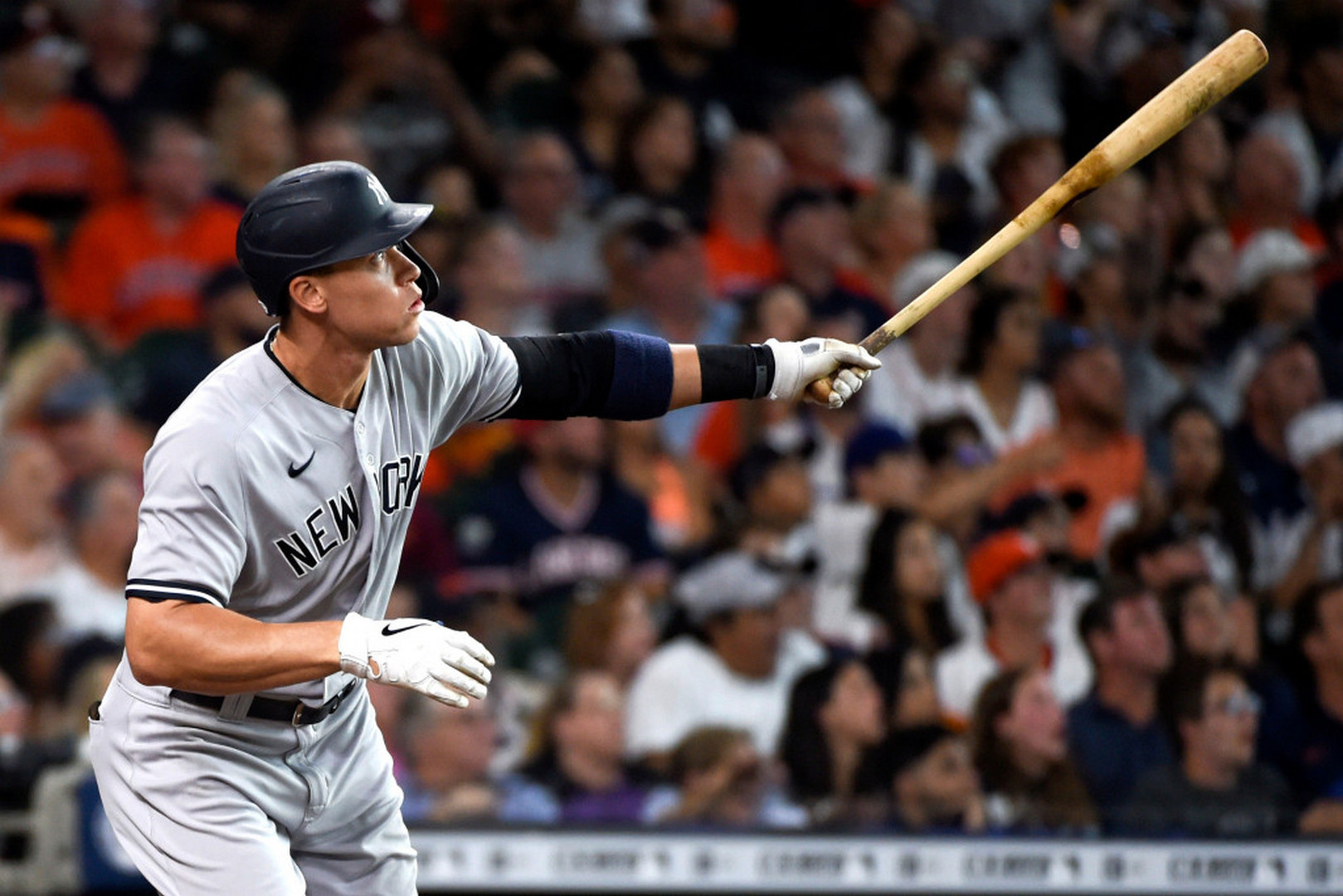
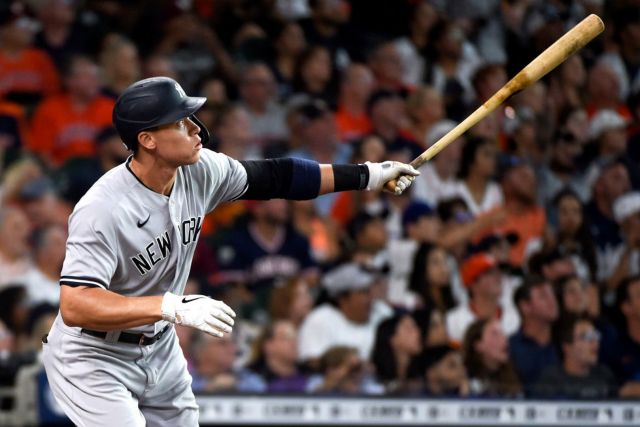
It was a very interesting and exciting game yesterday down in Houston and I do have to give the Yankees a lot of credit for a good game all around. If I am not the first person to post negative things about them around here then I certainly am the second. A big thing was made about Gerritt Cole’s complete game but that’s what pitchers were supposed to do before Tony Larussa and pitching coach Dave Duncan made a big *&%^$ deal about pitch counts when they were in Oakland. Soon it spread everywhere and you can’t get away from it. Teams copy other teams. You want another example? The Rays started this “opener” business and now other teams are doing it too. Anyway, Cole had a three-hit shutout. Judge homered and after this afternoon’s game baseball heads to the All-Star break. It’s been a fast season so far. I’m hoping the second half brings Yankee fans something to cheer about like a nice, long winning streak. Aaron Judge homers for the only run as the Yankees won 1 - 0 in Houston on July 10, 2021.
-
 As always, a welcome update to Mvp '05. No one has done it better than Gordo.
 -
No. The guy that made this mod has not been here in four years.
-
When Dennis James helps you then you know you will be ok. The visiting uniforms look like the old Twins ones and the home a white version of Atlanta's.
-
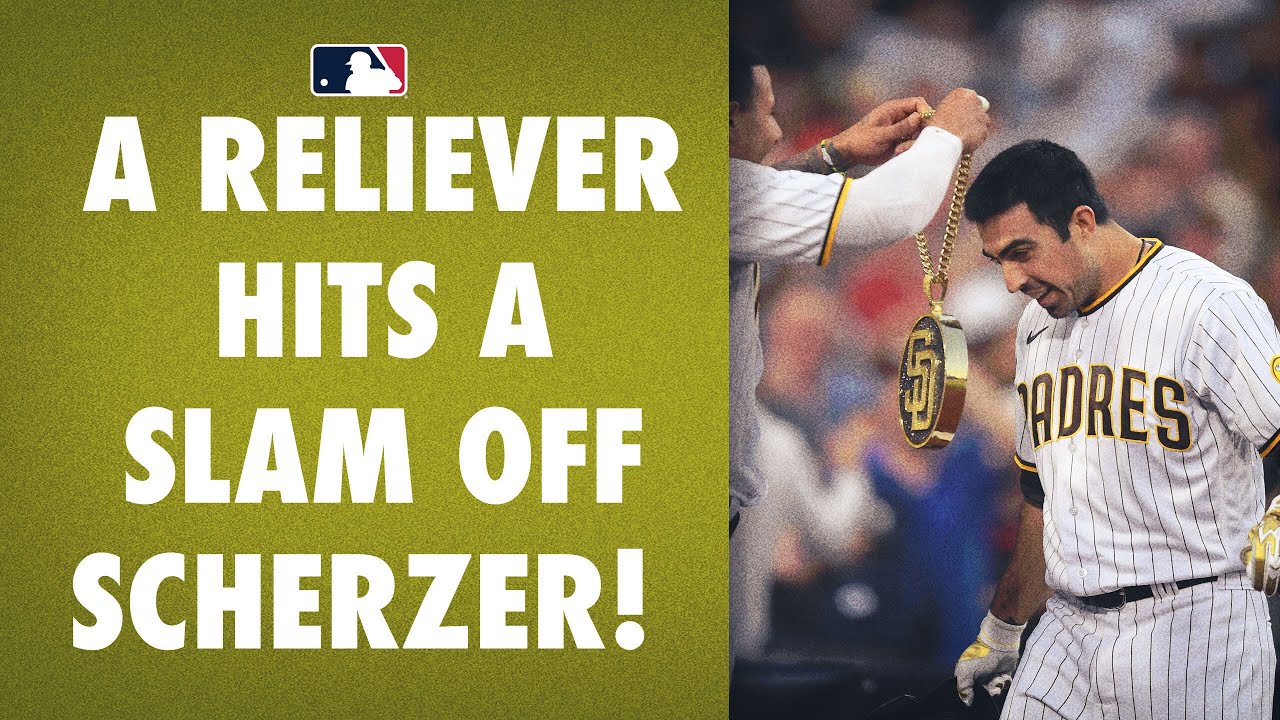
Downloadable video of Camarena's home run in .mp4 format